
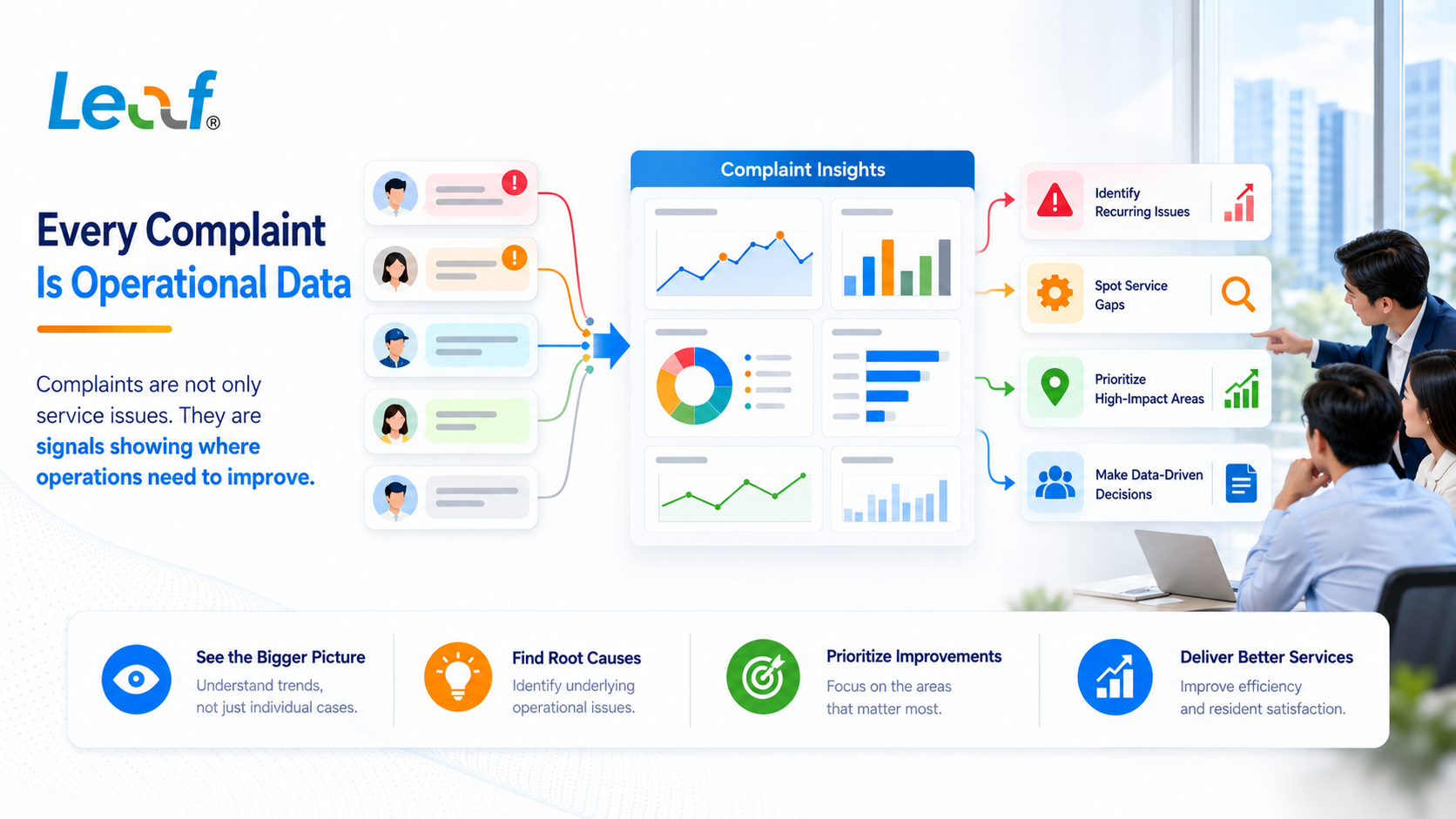
Every Complaint Is Operational Data
Complaints can reveal more than individual service issues. Learn how complaint analysis helps property teams identify trends, service gaps and improvement opportunities.
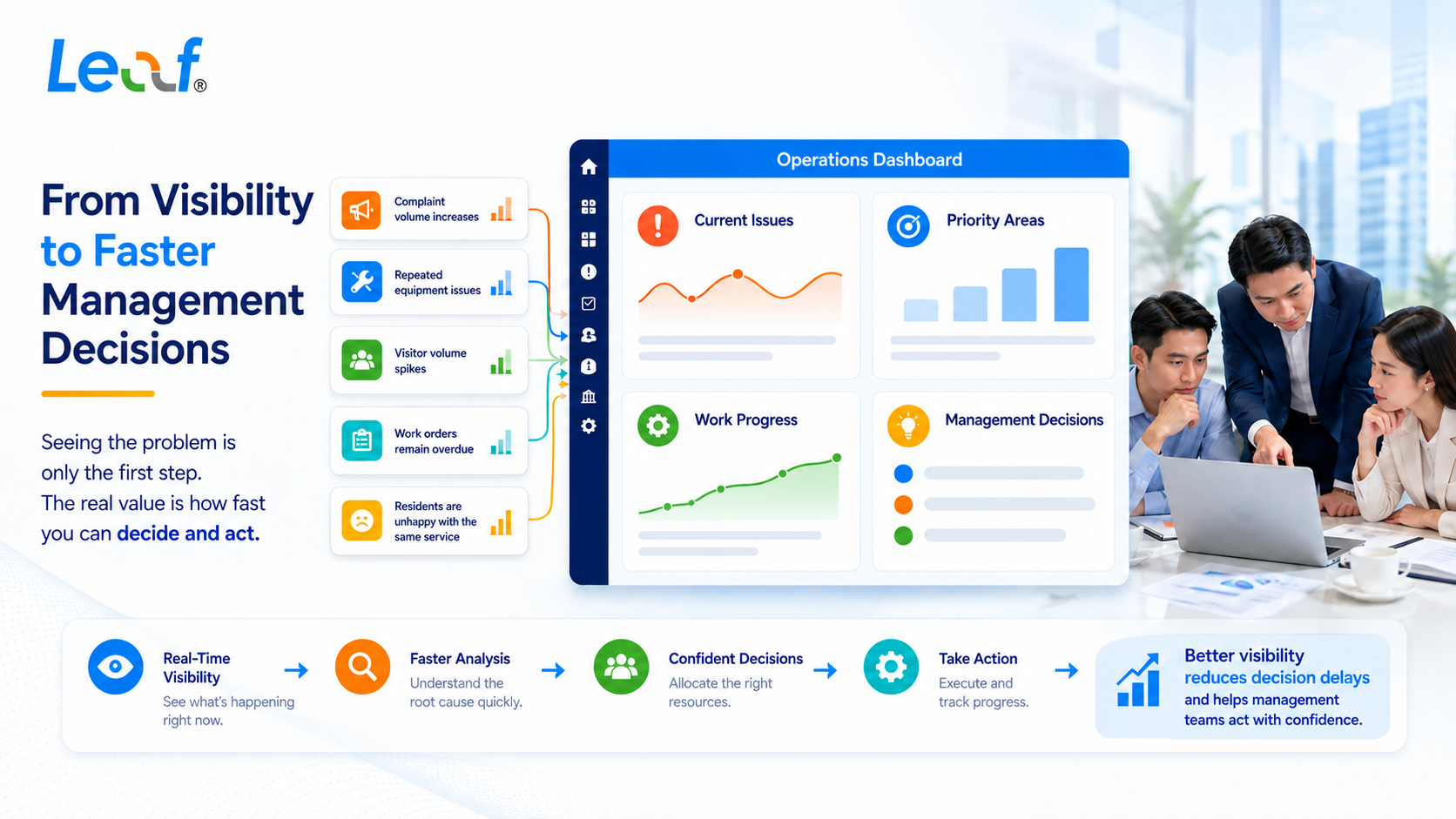
Property Operations Dashboard: From Visibility to Faster Management Decisions
A property operations dashboard helps management teams see current issues, prioritise action, track work progress and make faster, more confident decisions.
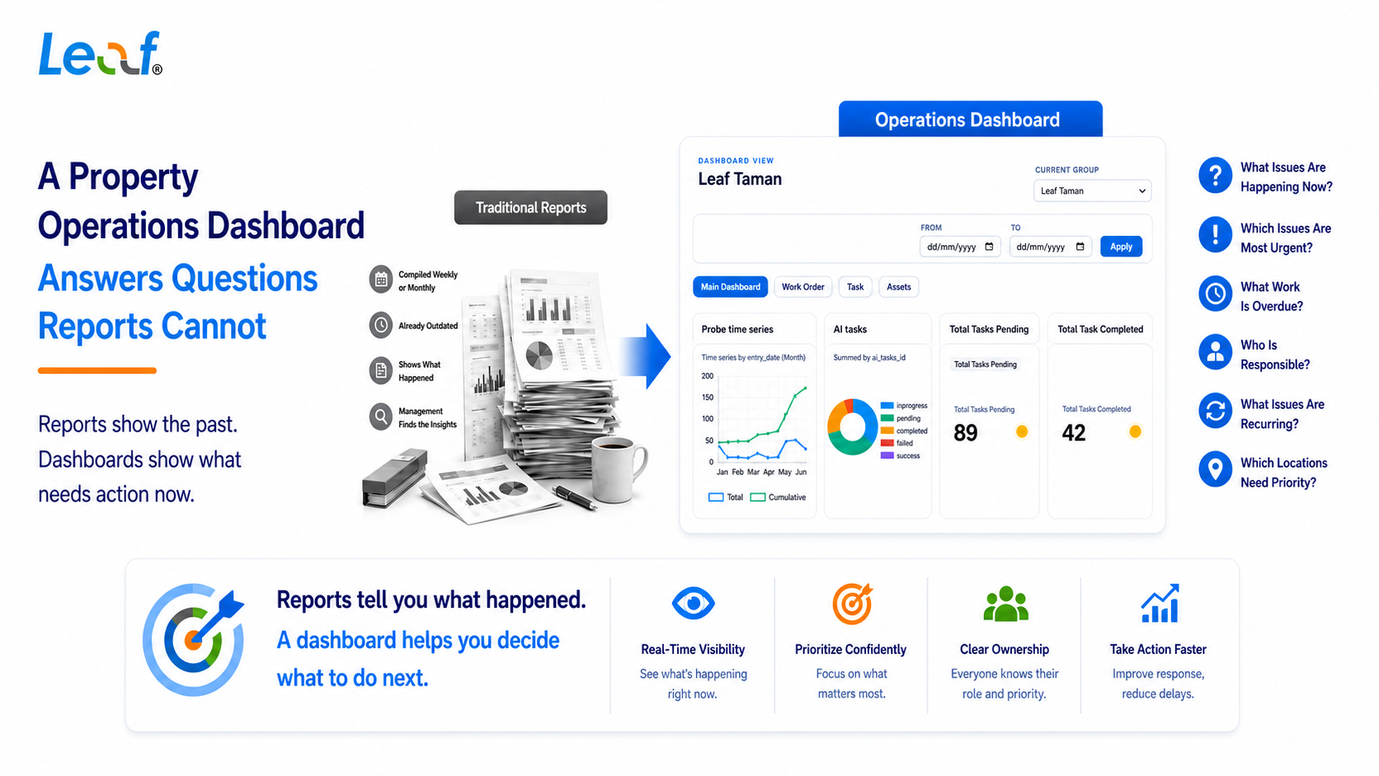
A Property Operations Dashboard Answers Questions Reports Cannot
Reports show what happened. A property operations dashboard helps management teams see what needs attention now and make faster operational decisions.
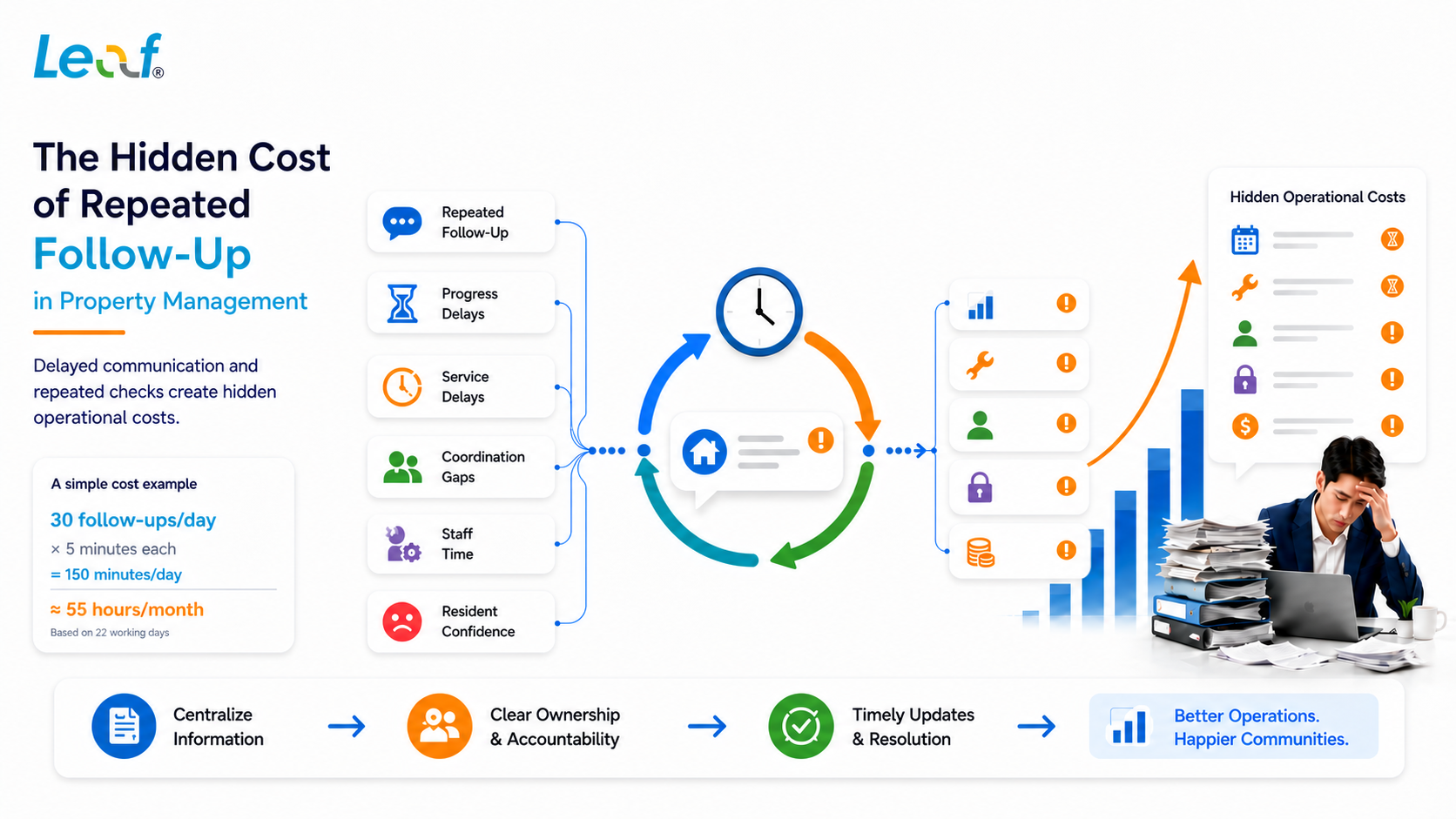
The Hidden Cost of Repeated Follow-Up in Property Management
Repeated follow-up creates hidden costs in property management. Learn how unclear ownership, delayed updates and scattered communication waste time and reduce resident trust.
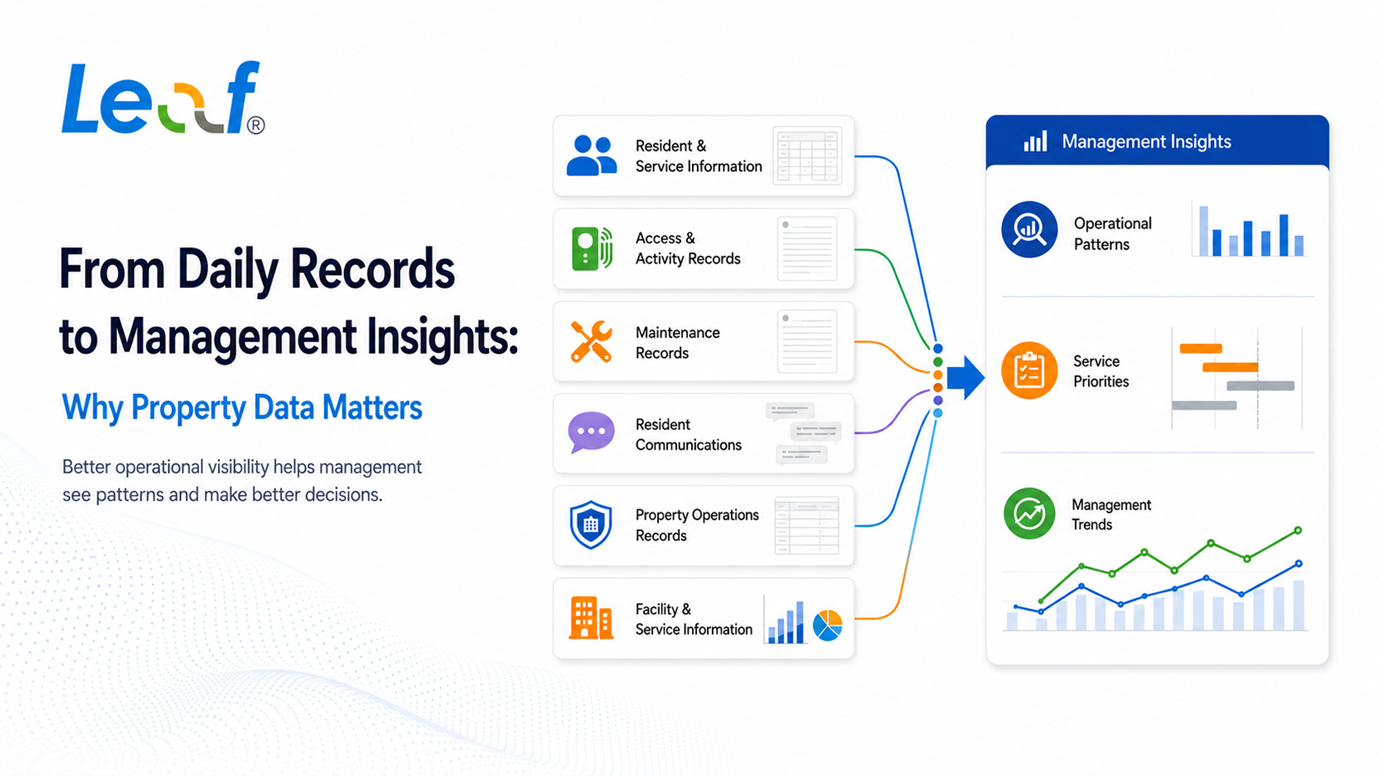
From Daily Records to Management Insights: Why Property Data Matters
Daily records are more than admin work. Learn how connected property data can reveal trends, delays, service gaps and better management decisions.
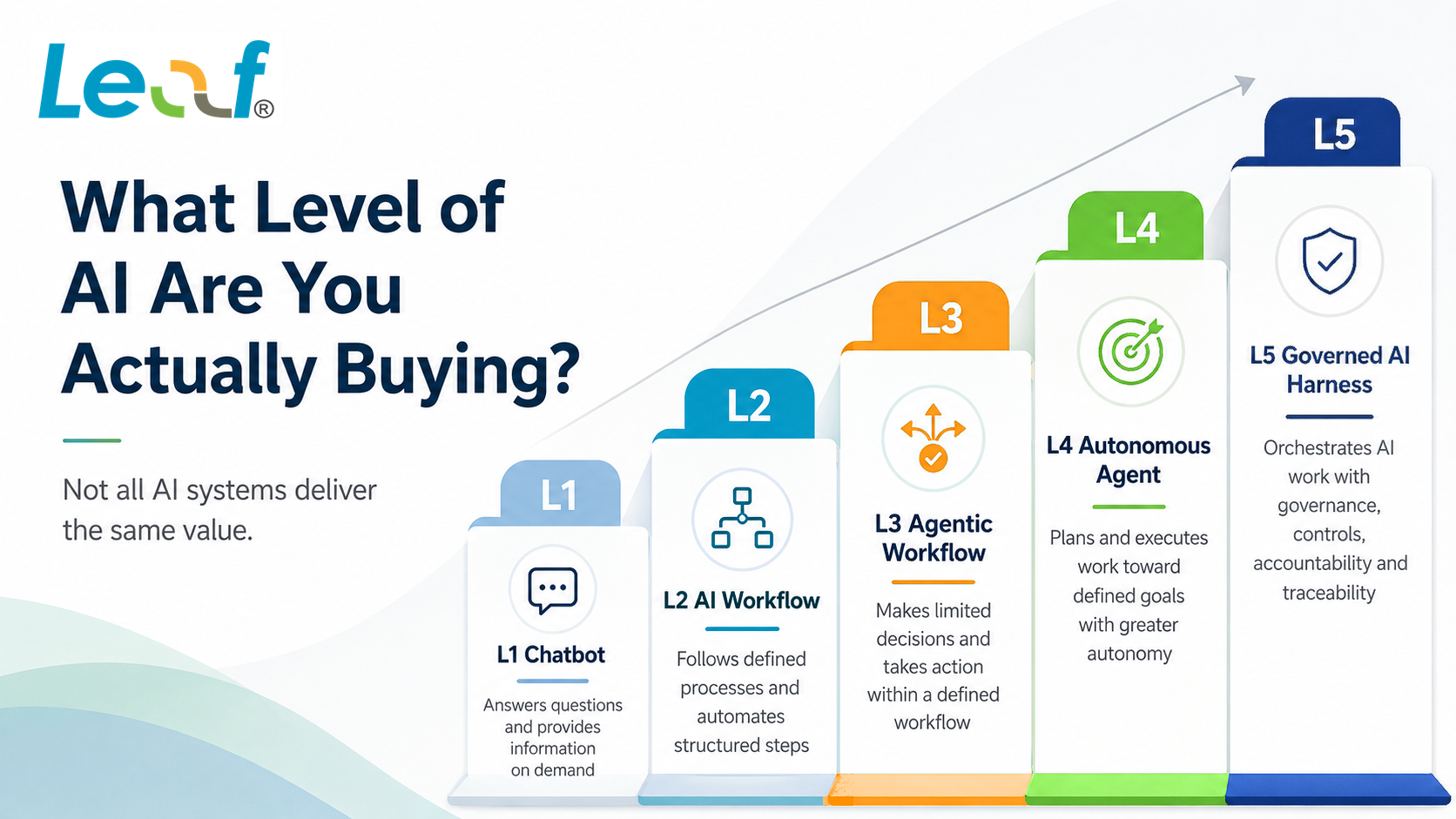
What Level of AI Are You Actually Buying?
AI systems can range from simple chatbots to governed AI harnesses. Learn how each AI level works and what businesses are actually buying before investing.

AI in Property Management: 3 Powerful Ways to Spot Real AI
Learn what AI in property management really means, how it differs from automation, and how it helps teams understand issues and improve operations.
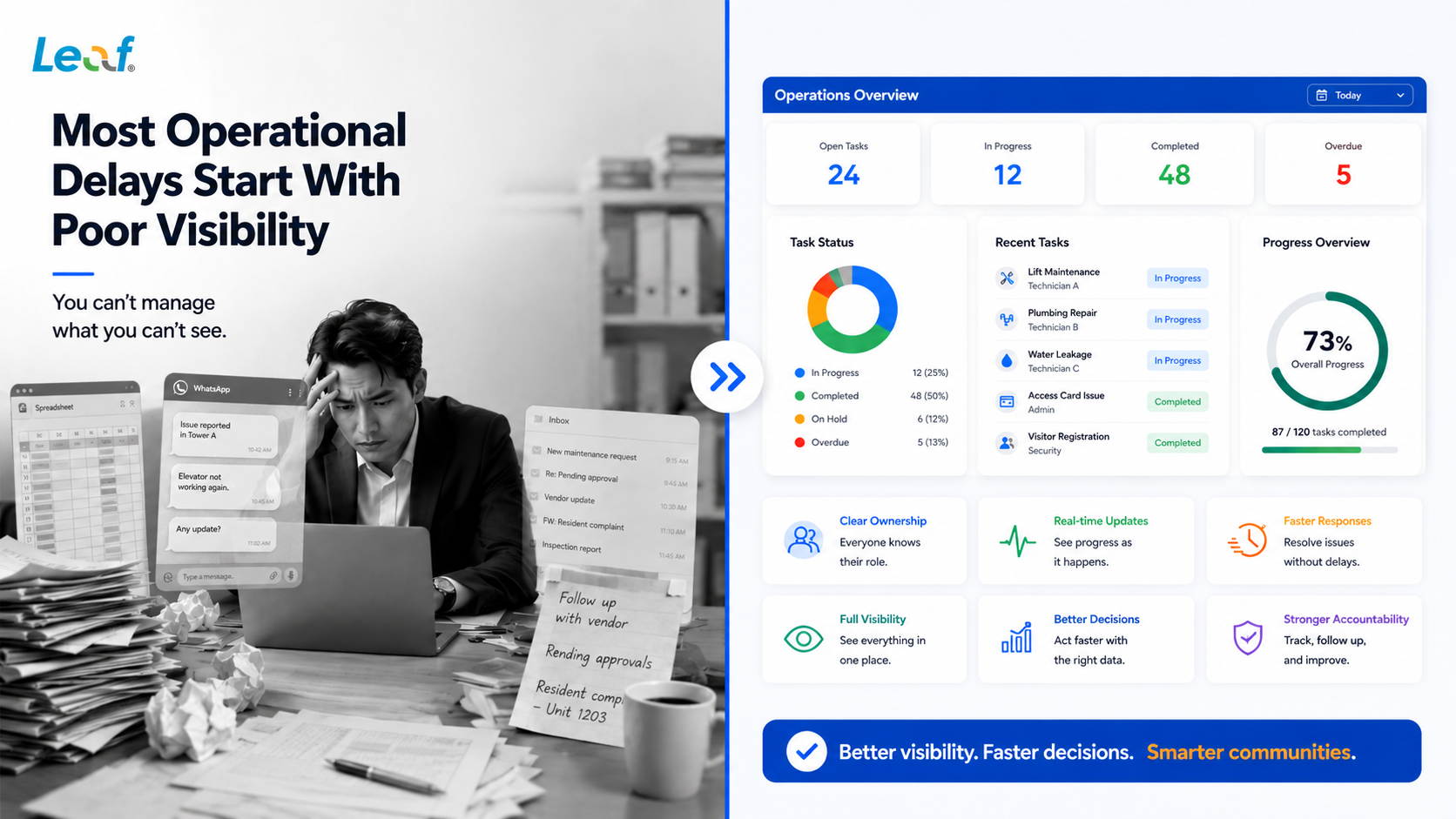
Property Operations Visibility: 5 Ways to Reduce Delays
Poor visibility slows property operations. Learn how a property management system helps teams track requests, approvals, and updates more clearly.
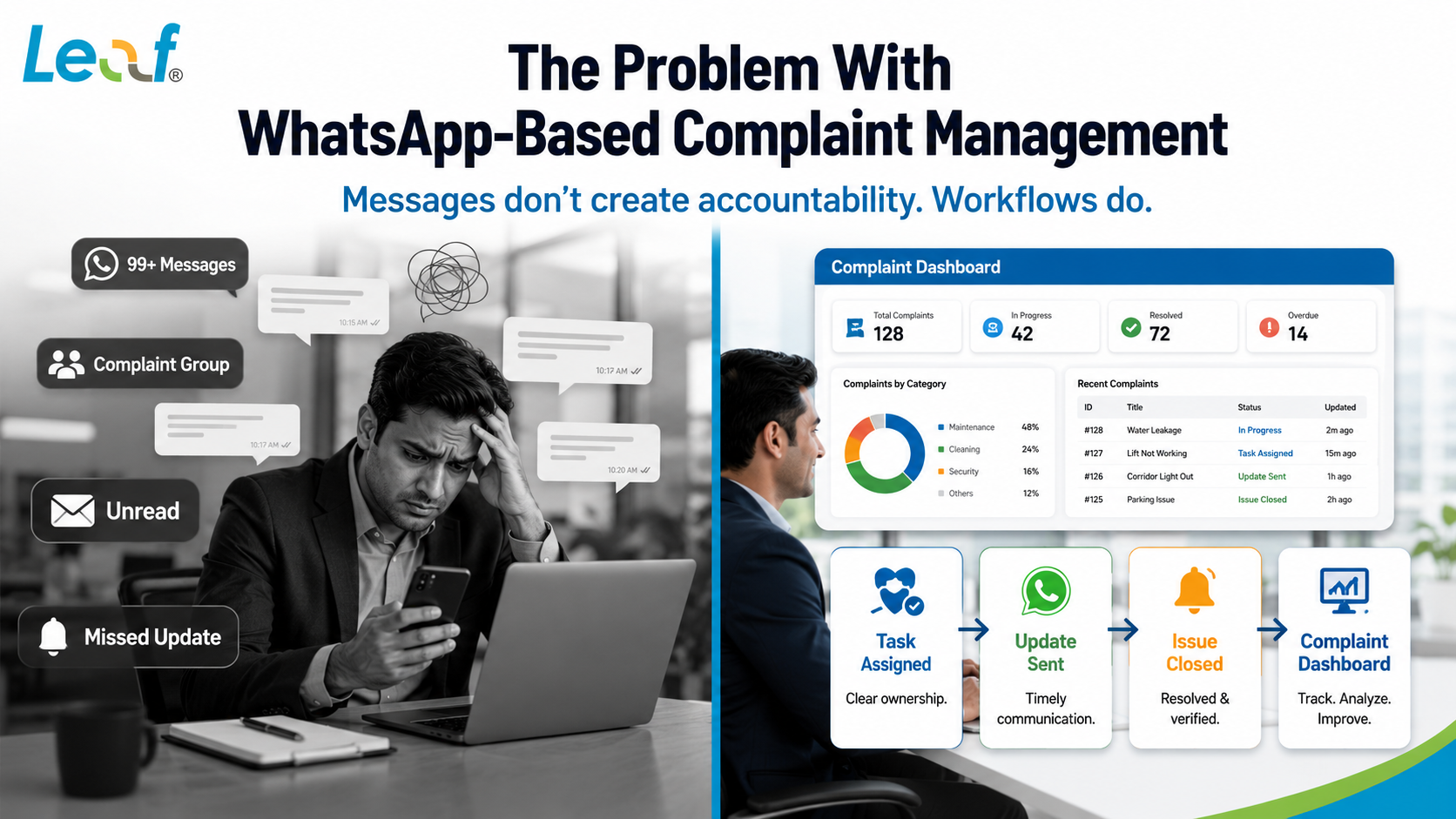
WhatsApp Complaint Management: 5 Problems to Fix
Learn why WhatsApp complaint management becomes difficult at scale, and how property teams can improve accountability, follow-up, and visibility.

Smart Community Management: What Truly Matters
Learn what smart community management really means, and how better communication, visibility, and workflows support smoother daily operations.